Throughout history, how spies used print has fascinated historians, collectors, and curious minds alike. Before modern encryption existed, agents relied on the printed page—ink, paper, and craftsmanship—to carry their most secret communications.
This same ingenuity now inspires The Printery’s Secret Services campaign, where the techniques of espionage are reimagined through the lens of modern printing technology. Explore how invisible ink, redacted text, cyphers, and hidden symbols shaped the world of secret communication.
How Spies Used Print and Invisible Ink
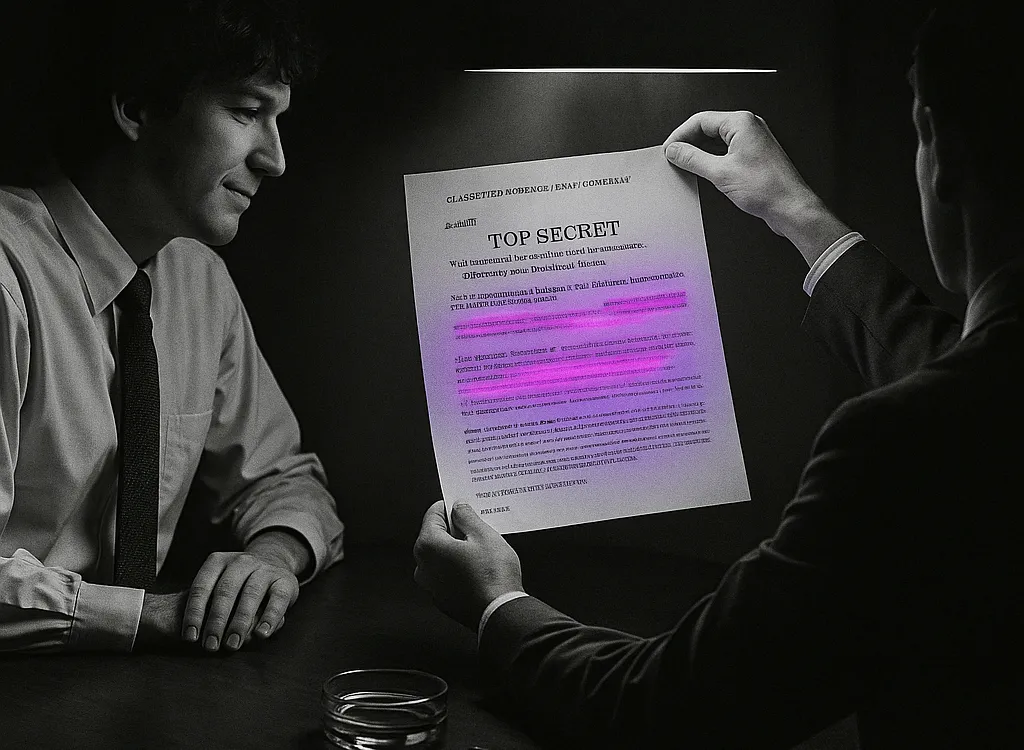
Invisible ink became one of the most valuable print techniques in espionage. How spies used print included the application of special inks made from lemon juice, milk, and vinegar, which revealed text only when heated or exposed to ultraviolet light.
During wartime, these methods allowed agents to send seemingly ordinary letters that concealed sensitive information. Today, The Printery’s Secret Services uses the same concept—messages printed in invisible ink are revealed when illuminated by a supplied blacklight flashlight.
Learn more about invisible ink and printing science.
Redacted Letters: The Power of What’s Hidden
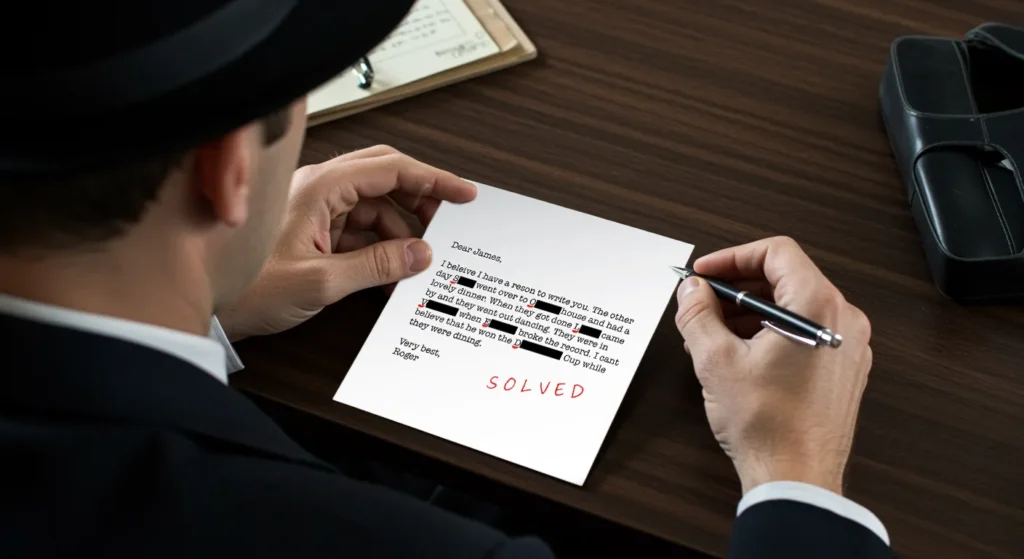
Redaction was another technique that showed how spies used print to mislead the enemy while guiding allies. Strategic black bars obscured key words, creating the illusion of censorship. However, trained operatives knew that the surrounding redacted words and/or letters when arranged together held hidden meaning.
In The Printery’s version, redacted text hides clues that, when pieced together, reveal the next destination in your mission.
See how real agencies used redaction in secret communications.
Cyphers and Encoded Print Messages
Cyphers represent another dimension of how spies used print for secure communication. By replacing letters with numbers, patterns, or symbols, spies encoded messages that could be deciphered only by those with the correct key.
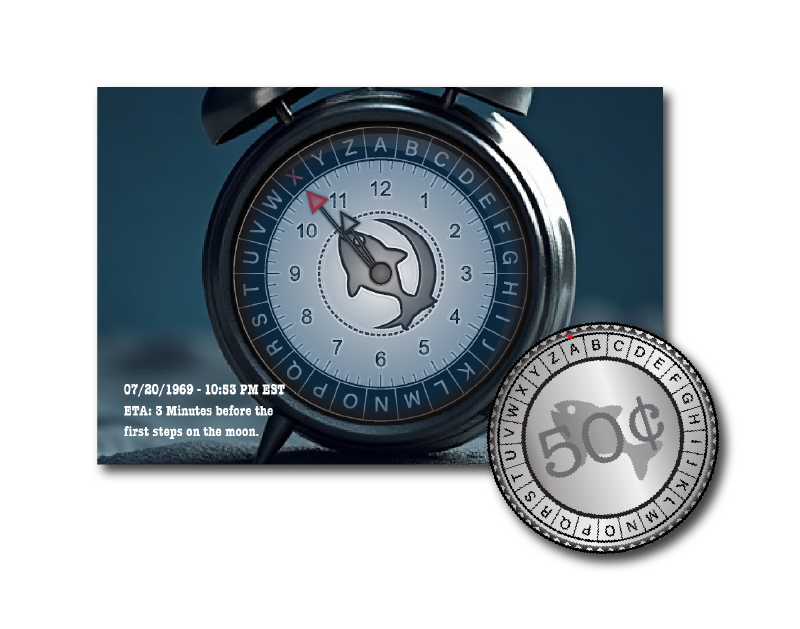
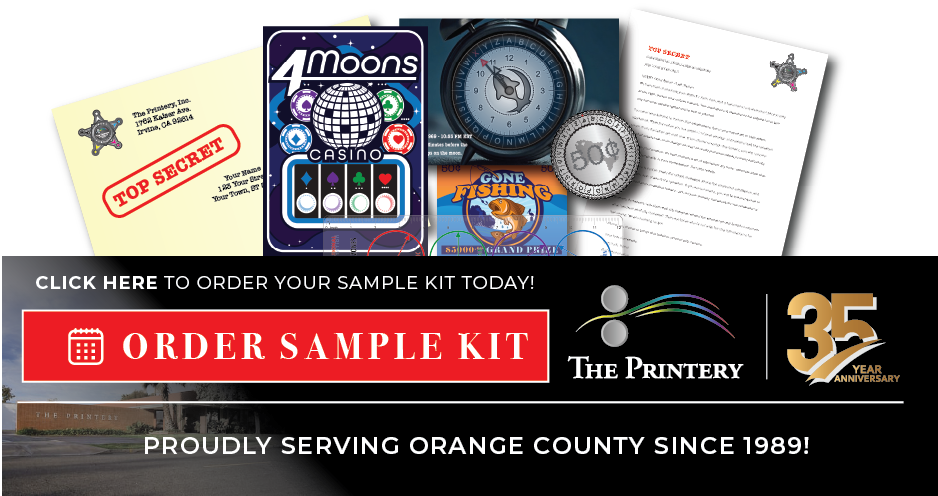
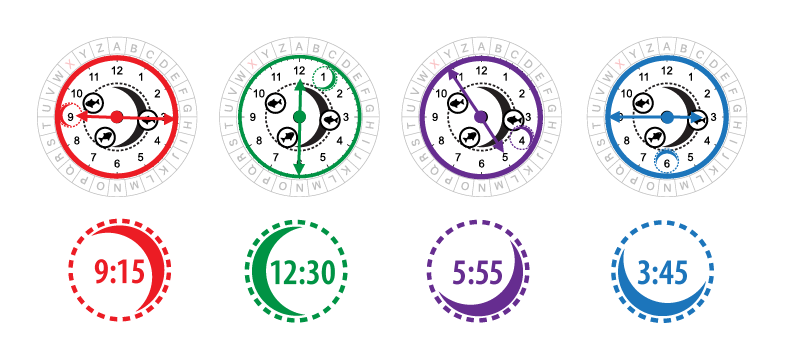
From handwritten substitutions to printed cipher wheels, coded text was central to secret intelligence. In your mission kit, the Half-Dollar Cypher brings this legacy to life. Align it with the printed postcard to reveal the hidden password.
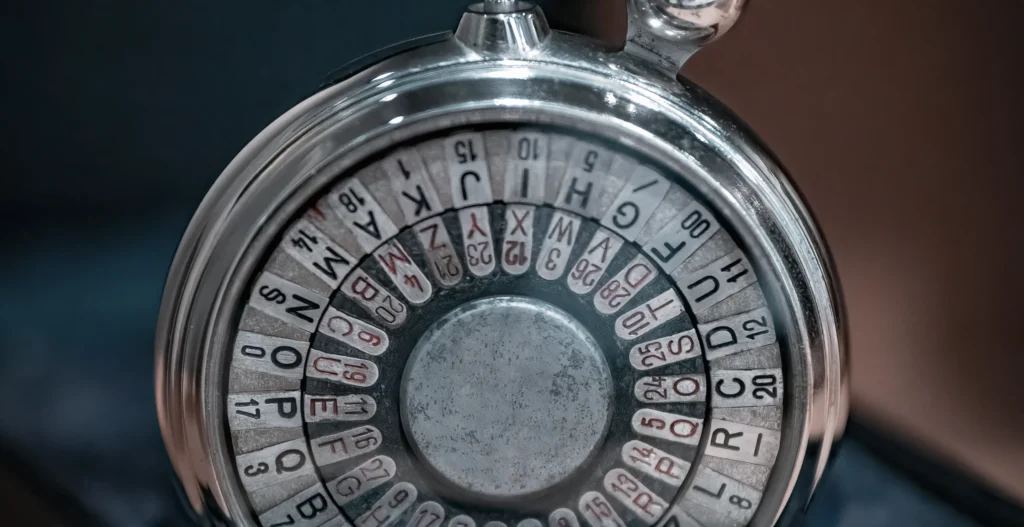
Explore the history of cipher systems here.
Hidden Symbols and Secret Print Marks
Another ingenious example of how spies used print was through symbols and small design cues. A chalk mark on a wall, a folded corner of a newspaper, or a recurring icon could indicate a secret meeting or hidden message.
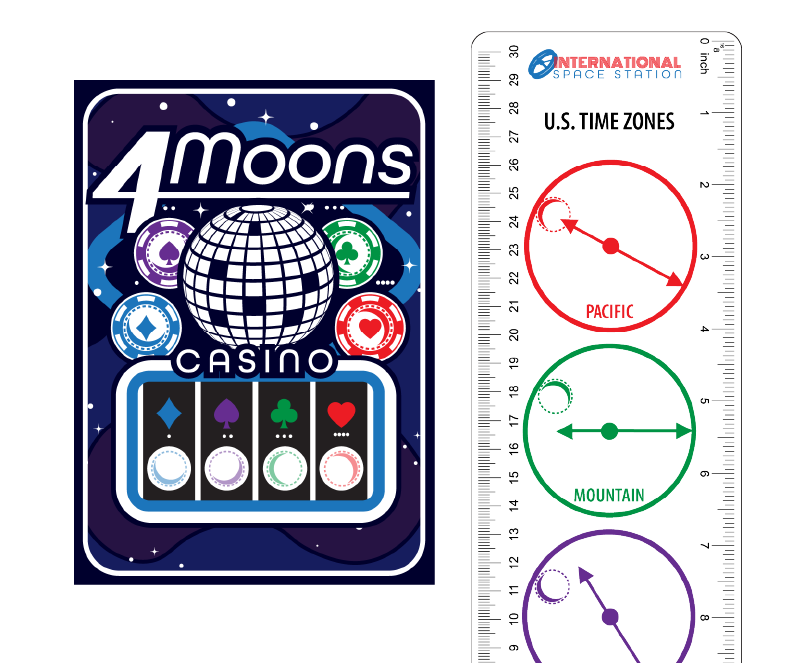
Your mission kit uses similar visual codes—the fish icon, clock graphics, and card-suit symbols (spade, diamond, heart, and club)—to connect clues. Each symbol links specific print pieces together to reveal the final code.
Discover real spy symbols and covert signs used in WWII.
From Spycraft to Modern Printing
What was once used for espionage is now used for innovation. Modern printing technology, like HP Indigo, gives designers and marketers the tools to experiment with invisible ink, metallic finishes, and specialty substrates.
Through The Printery’s Secret Services, the same spirit of secrecy becomes a celebration of creativity. Each print technique demonstrates how spies used print not just to hide messages—but to reveal new possibilities.
Continue Your Mission
If you found this blog through the QR code on your mission materials, you’re already part of the story. Keep decoding the clues, follow the symbols, and remember—every secret leaves a print.